by admin | Jul 7, 2019 | Software Testing, Fixed, Blog |
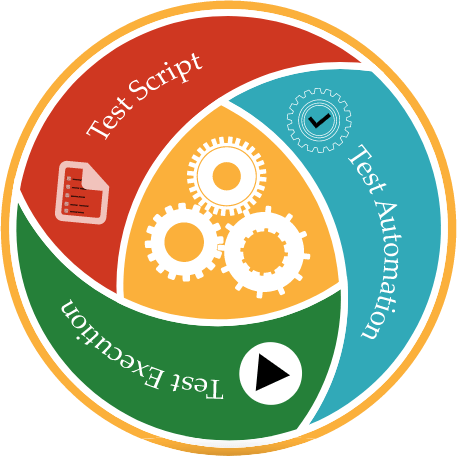
Test Execution holds immense significance in the software development process, especially in the Software Testing Life Cycle (STLC). The Test Execution stage is crucial since it ensures thorough testing of the software product. In this stage, testers detect errors and bugs in software besides performing the testing of the test cases.
In Agile environments focused on continuous delivery of software, testers are generally under immense pressure to speed up test execution. This is so because accelerated text execution ensures the faster release of an exhaustively tested quality software product. If you are a tester expecting and wanting to accelerate your test execution, you would be helped by focusing on the points enumerated below:
Organize Your Tests
For quick execution of tests, it is imperative that a software testing company ensures that its testers organize testing on a daily basis, so that the process is properly streamlined. To organize tests, it is necessary to automate features at the unit level, aiming for lean and reusable test cases. Tests can be easily run whenever required with the practice of efficient text management techniques, maintain accurate data, and prepare clean automation reports.
Identify the Best Cases for Automation
Testers should be able to use automation testing to their advantage if they expect to achieve an exponential increase in the testing speed. Automation can lead to a significant reduction in the testing time when the right test cases are automated. Hence, a clear understanding of the respective benefits of manual and automated testing is necessary, as is the identification of the best cases for automation. For instance, regression testing should be automated, while exploratory testing for new test cases should be performed manually.
Leverage the Parallel Testing Technique
The Parallel Testing technique is a timesaving testing method that allows the simultaneous execution of a number of tests. Software testing companies recognize the importance of leveraging parallel testing for faster automation, particularly because it enables testers to run the same tests across different browsers, operating systems, and devices. It is possible to reduce the test execution time drastically by learning the use of parallel testing tools such as Selenium grid and Test Load Balancer (TLB).

Use the Right Tools
Testers should be fully acquainted with the use of different test execution tools — or ‘test running tools’ — if they want to accelerate the test execution process. The selection of the most suitable test execution tools for running automation testing can effectively speed up the test execution process. You can test more code at a notably faster pace, and with greater test accuracy, if you can adeptly use test automation tools like Selenium, TestComplete, eggPlant, Watir, Robotium, and TestLeft, among several others.
Execute Tests in Multiple Categories
The breaking up of tests into smaller groups or multiple categories can result in quick feedback from the tests. The division of software into logically separated sections can enable the fast testing of the independent sections before they are tested together. The tests can be divided into different categories based on the functionality or nature of the tests. Towards that end, Smoke Testing can include tests that corroborate the working of critical functionalities, whereas Regression Testing can include tests that cover all other workflows.
Eliminate Flaky Tests
Testers who are experts at using various test execution tools know that excellent automation testing tools like Selenium can sometimes lead to flakiness. Flaky tests are those that fail randomly and pass on re-run without any change in the code. These tests purge the advantages of the bug detector in automation tests and eliminate confidence in the test-suite. Therefore, to reduce flaky tests and ensure a speedy test execution, it is necessary to identify and isolate flaky tests, analyse the cause of and fix the flakiness.

Keep Lines of Communication Open
Efficient software testing services are marked by the collaborative efforts of the developers and the testers. Effective communication between the members of Development and Testing teams can ensure that those involved in the software development process carry out their responsibilities in a cohesive manner. As part of a testing team, it is necessary to communicate with other testers and developers such that each person understands the status of the software and there is sustained consistency in testing, documentation, reporting, bug detection, and fixing of bugs.
In Conclusion:
Test execution can be accelerated substantially if the testers have the necessary skills to practice test automation for speed and accuracy, with the objective of delivering quality software. In accordance with the demands of Agile development, testers should be capable of performing rapid testing by removing the bottlenecks in the test execution process. With precise observation, careful consideration, and top-notch testing skills, testers can improve an overall testing strategy to accelerate test execution for an organization. Our testers are amongst the best – connect with us to experience top class test execution.

by admin | Jul 6, 2019 | Software Testing, Fixed, Blog |
The Holistic Approach to Software Testing is gaining significance in the fast-paced Agile culture given that it is an all-encompassing and exhaustive testing strategy. Holistic testing involves a series of tests that can offer long-term insights into the projected performance of a software product upon release to the potential users.
The holistic approach involves the use of various testing techniques during the software testing process. The test team performing holistic testing is focused on the testing and automation strategy, the test plans, and the overall testing project to enhance the quality of the software. Some of the key benefits of Holistic Approach to Software Testing have been enumerated below:
A software testing company following the holistic approach can ensure inclusive testing of the software, extended throughout the development process. With such an approach, testing is not restricted only to one end of the software development cycle. A holistic approach provides for complete testing of multiple factors, with a professional team of testers carefully considering the best cases for automation, ascertaining the greatest value, assessing the highest risks, and addressing the issues affecting the software quality.
When software is tested holistically, the Manager of the test team can create a good test plan that clearly outlines the objectives of the testing process. The plan defines the test environment, the use of resources in testing, responsibilities of testers working on the project, the testing methods to be used, test activity schedule, and the expected test coverage. Meticulous planning of the testing process streamlines the testing effort and enables the testers to achieve the pre-determined objectives.
Most of the software testing companies that adopt a holistic method of testing expect the testers to effectively implement the carefully prepared test plan for the successful completion of the testing process. Towards that end, testers take charge of routine tasks such as writing and executing the tests, reporting the test outcomes, and performing root cause analysis. During the process, testers also make sure that all the tests are performed according to the requirements highlighted in the test plan.
The holistic testing approach amalgamates different testing methodologies including static testing, dynamic testing, exploratory testing, white-box testing, black-box testing, component interface testing, and visual testing, among others. Therefore, the holistic approach broadens the scope of the testing process, enabling the test teams to derive important information from various tests. This information is shared by the testers with the developers for improving the development process.
With holistic testing, the coverage of software tests can be increased considerably to lay emphasis on quality. Some of the well-managed QA companies are showing a growing inclination towards a holistic approach that combines the efforts of skilled testers with the crowd-sourced community. This kind of approach can yield greater test coverage and unfold some other advantages such as a continuous testing mechanism and reduction in the costs of the testing project.
Since the holistic approach to software testing covers the entire software development process, it can lead to cost-effectiveness in bug fixing. As software testing services essentially pivot around the detection and fixing of bugs in software code, a holistic testing approach gives the testers the ability to easily fix small errors in the early stages of the software development lifecycle. Such a bug-fixing process substantially cuts the costs for a company since managing and fixing bugs at a later stage can be a long, time-consuming process that can affect the testing budget.
The main purpose of the testing activity is the assurance of the quality of the software under testing. The use of a holistic testing approach in Agile environments makes the accountability of delivering quality software a ‘shared’ responsibility of the developers and testers. The teams involved in the testing project can therefore, work out a plan for quality and testing at different stages of the development so that testers can verify and validate the software at each stage.
A holistic approach to software testing does not place the responsibility of testing on the testers alone, prior to the release of the software product. Instead, it makes software testing a cooperative endeavour that involves the testing teams as well as the development teams. The adoption of the holistic approach aligns the testing activity with each software development stage so that there is a broad understanding among the teams about what tests have to be performed at a particular stage to eventually ensure the development of a high-quality software product. Work with one such organized and expert team – connect with us.

by admin | Jun 29, 2019 | Software Testing, Fixed, Blog |
Software testing is an evolving field in the domain of software development. Hence, firms that undertake Test Automation activities are required to find and retain human talent that will participate in such ventures. Key human attributes such as curiosity, passion, and tenacity are the hallmarks of an exceptional QA Testing engineer. These aspects of the human mind allow a tester to rise to the challenges of testing a modern software package for glitches and inconsistencies. These attributes also empower QA Testing firms to provide high-level services to software developers, thereby helping create outstanding instances of modern software applications and packages.
Understanding is Key
Recruiters and hiring agents must question a potential recruit to probe his or her understanding of the fundamentals of software testing. Such questions could range from QA Testing methods; the experience of the candidate with regard to working on software development projects; assessing the use of a certain techniques while implementing Test Automation; the potential recruit’s ability to work as a member of a team of testers, and more.

Technical Skills
Recruiters must seek to probe the technical skills of candidates who apply for positions in QA Automation. In line with this, a candidate must undergo examinations with regard to their ability to: design a test schedule; his or her ability to operate, design, and build tools for QA Testing; the ability of the candidate to think critically regarding testing parameters and assessing the outcomes of Test Automation; his or her level of domain knowledge in software development and testing frameworks, and several other realms. These technical skills are necessary for testers to discharge their job responsibilities. Hence, such queries must form the basis of recruiting exceptional QA testing personnel.
Outreach is Critical
Exceptional QA testers can be sought from multiple locations. Recruiters must scope these locations to unearth serious talent in the domain of QA Testing activities.

For instance, recruiters can visit testing conferences where test professionals congregate to learn and explore the latest issues and topics in the software testing domain; informal meet-ups organized by the software testing community provide another location for productive hiring practices; specialized forums on the World Wide Web offer yet another avenue for hiring software testers in modern times. Companies can easily find QA Automation professionals in these venues and invite them to join the recruitment process.
Setting Bait
Software test professionals are known to relish challenges that test their technical ability to deal with testing problems. An intelligent recruiter may announce a Test Automation challenge as part of efforts to attract the best test professionals in a certain region. Such a challenge, once formulated, can be broadcast over the Internet through various forums to gain the attention of top quality testers. The resulting rush of test professionals could help the recruiter to find and hire perfect candidates who conform to recruitment requirements.
Specific Considerations
QA Testing personnel who can complete a given set of tests on time are ideally positioned for further consideration in the hiring cycle. Candidates who emerge with flying colors in terms of their ability to communicate, high levels of specific domain knowledge, awareness of QA Automation cycles and conditions should rank high in the priority list of the recruiter.

Such candidates are often the best personnel who can solve specific testing challenges, cope with a high-pressure work environment, deal with changes in client requirements, discharge their duties as a member of a Test Automation team, and more. These personnel also tend to score the maximum marks in test assessments.
Work Day
The best Test Automation professionals work as part of a team of expert testers. Bearing this in mind, recruiters should offer potential candidates an opportunity to work with a Test Automation team. This technique hinges on observation of the performance of each candidate and feedback from members of said team. The technique also tests each candidate for their actual skills in terms of performing a variety of technical tasks over half a business day. The outcomes of such exercises can help recruiters find the best Test Automation professionals in modern times.
In Conclusion
These techniques of modern recruitment should empower recruiters to locate and hire the best software testing professionals for permanent employment. Each recruiter may bring specific requirements to the proverbial table and every employer may prize different abilities in such personnel. A combination of the techniques detailed above should assist most recruiters hire the best talent in line with available requirements. We not only have a team of expert testers, but are also adept in providing recruiting support for our clients – connect with us to gain all these advantages.

by admin | Jul 24, 2019 | Software Testing, Blog |

by admin | Jul 23, 2019 | Software Testing, Blog |

by admin | May 29, 2019 | Software Testing, Blog |